
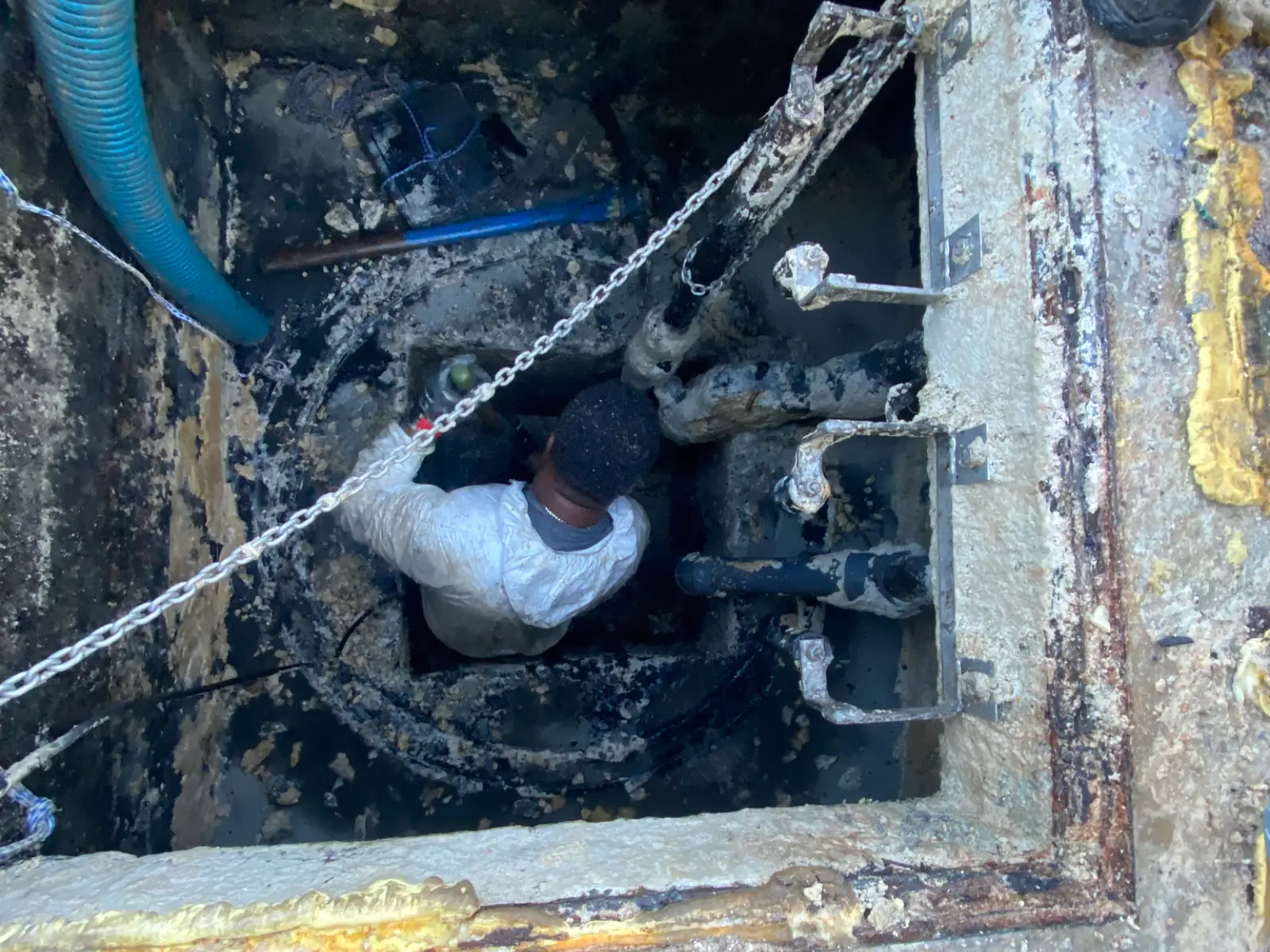
In Bermuda’s vibrant hospitality industry, a successful restaurant depends on more than good food, excellent service, and a welcoming atmosphere. Behind every busy kitchen is a network of plumbing and drainage systems that must work reliably throughout the day. One essential component that often goes unnoticed is the grease trap.
From restaurants and cafés to hotels, commercial kitchens and food preparation facilities, grease traps play an important role in protecting drainage systems and supporting responsible wastewater management. They help prevent fats, oils, and grease from entering drains in quantities that can cause blockages, unpleasant odours, and costly plumbing problems.
But how does a grease trap actually work? What makes it effective, and why is proper maintenance so important for Bermuda’s food service businesses?
Understanding the science behind grease traps can help restaurant owners make informed decisions about their kitchen operations, protect their plumbing infrastructure, and maintain a cleaner working environment.
What Is a Grease Trap?
A grease trap is a plumbing device designed to capture fats, oils, and grease (FOG) from wastewater before the water continues into the drainage system.
During normal kitchen operations, washing dishes, cleaning cooking equipment, and rinsing food preparation surfaces can send grease, oil, and food particles into sinks and drains. Although these substances may initially appear to flow away with the water, they do not always remain suspended as they travel through the plumbing system.
As wastewater cools, fats and oils can separate from the water and accumulate along pipe walls. Over time, this build-up can restrict water flow, contribute to blockages and create unpleasant smells.
A properly designed and maintained grease trap helps intercept these materials before they enter downstream drainage infrastructure.
For restaurants and other commercial food businesses in Bermuda, this makes grease management an important part of routine kitchen maintenance.
The Science: How Does a Grease Trap Work?
The effectiveness of a grease trap relies on a few basic physical principles: gravity, density, separation and retention time.
Rather than relying on complicated machinery, many conventional grease traps use the natural behaviour of fats, oils and grease in water to separate unwanted materials from wastewater.
1. Wastewater Enters the Trap
Water from connected sinks and other approved kitchen fixtures flows into the grease trap. This wastewater may contain cooking oil, melted fats, small food particles and detergent residues.
Inside the trap, the water's movement slows down. This reduced flow gives the different materials more time to separate instead of travelling directly into the drainage system.
2. Grease Rises to the Surface
Most fats and oils commonly encountered in commercial kitchens are less dense than water. As the wastewater settles, these materials tend to rise and collect near the surface.
This process is known as buoyancy-driven separation.
The grease begins to form a floating layer, while much of the wastewater remains beneath it. As additional wastewater enters, the trap's internal design helps retain the separated grease rather than allowing it to move freely into the outlet.
3. Heavier Solids Settle
Food particles and other heavier materials may sink towards the bottom of the trap. These solids can form a layer of accumulated sludge that must also be removed during cleaning.
The separation process is not perfect. Some fine particles, emulsified grease and other substances may remain suspended in the wastewater. However, a correctly sized and properly maintained grease trap can reduce the amount of grease entering the downstream drainage system.
4. Separated Water Flows Out
The trap's inlet, outlet and internal baffles are designed to encourage separation and help prevent floating grease from escaping directly into the outlet.
Once the wastewater has passed through the separation chamber, it continues into the connected drainage system.
The result is a reduction in the fats, oils and grease entering the pipes beyond the trap.
The important point is that grease traps do not make grease disappear. They collect it. The captured grease, oils and solids must be removed regularly to keep the system operating effectively.
Why Restaurants in Bermuda Need Grease Traps
Commercial kitchens generate wastewater differently from most domestic kitchens. A restaurant preparing meals throughout the day may produce a steady flow of greasy wastewater from cooking, washing and food preparation.
Without appropriate grease management, the effects can extend beyond the kitchen sink.
Preventing Blocked Drains
One of the main reasons grease traps are important is their role in reducing grease accumulation within drainage pipes.
When fats and oils enter pipes, they can cool, adhere to surfaces and combine with food particles and other debris. Repeated deposits can gradually narrow the pipe's internal opening, slowing drainage and increasing the risk of blockages.
For a busy restaurant, a blocked drain can disrupt food preparation, cleaning routines and service. Depending on the severity of the problem, it may also require professional drain clearing or repairs.
By capturing a portion of the grease before it enters the drainage network, a properly maintained grease trap helps reduce this risk.
Reducing Unpleasant Odours
Accumulated grease and food waste can develop unpleasant smells, particularly when materials remain in the system for extended periods.
These odours may become noticeable around kitchen sinks, floor drains or the grease trap itself. They can affect staff comfort and create an unwelcome environment for customers if the problem spreads into customer-facing areas.
Routine grease trap cleaning helps remove the materials responsible for much of this build-up and supports better kitchen hygiene.
Protecting Plumbing Infrastructure
Commercial plumbing systems experience considerable use. Grease-related restrictions can place additional pressure on drainage infrastructure and contribute to recurring maintenance issues.
A functioning grease trap is one part of a wider preventative maintenance approach. Combined with proper waste disposal, sensible kitchen practices and timely drain inspections, it can help businesses reduce avoidable plumbing disruption.
Supporting Responsible Wastewater Management
Keeping excess fats, oils and grease out of drainage systems is also an important part of responsible wastewater management.
Grease entering downstream pipes can contribute to blockages and may create problems further along the wastewater network. Capturing grease at the source helps reduce this burden.
For Bermuda businesses, maintaining appropriate sanitation and drainage systems supports the wider objective of protecting local infrastructure and managing wastewater responsibly.
What Happens When a Grease Trap Is Neglected?
A grease trap can only perform its intended function when it has sufficient capacity to retain incoming grease and solids.
As the trap fills, its ability to separate and hold additional material becomes less effective. Excess grease may begin passing through the outlet, while accumulated solids can interfere with the system's operation.
Common warning signs include:
- Slow-draining sinks: Water takes longer than usual to leave kitchen fixtures.
- Persistent unpleasant smells: Grease and food waste may have accumulated inside the trap or connected pipes.
- Visible grease build-up: Greasy residues appear around accessible components or nearby drains.
- Recurring blockages: Drainage problems return even after temporary clearing.
- Overflow or leakage: The trap or connected plumbing may be unable to manage the conditions it is experiencing.
These symptoms do not always mean the grease trap itself is the only problem. Blockages, damaged pipes, incorrect installation or other drainage faults can produce similar signs.
If a kitchen experiences repeated drainage problems, a professional assessment can help identify the cause and determine the appropriate corrective action.
How Often Should a Restaurant Clean Its Grease Trap?
There is no single cleaning schedule that suits every commercial kitchen. The appropriate frequency depends on the size and design of the trap, the volume of wastewater, the type of food being prepared and how much grease the business generates.
A restaurant serving fried foods throughout the day may fill its trap more quickly than a small café with limited cooking. Hotels, institutional kitchens and high-volume food preparation facilities may also require more frequent servicing.
Rather than relying on a calendar alone, businesses should consider:
- The manufacturer's maintenance recommendations.
- The grease trap's capacity and the kitchen's typical workload.
- The amount of grease and solids accumulating between services.
- Any recurring odours, slow drainage or other warning signs.
- Applicable local requirements and any relevant guidance from the appropriate authorities.
Regular inspection and timely removal of accumulated grease and solids help keep the system functioning as intended. Keeping a record of cleaning and maintenance can also help restaurant managers identify patterns and establish a suitable schedule.
It is equally important to dispose of collected grease and waste responsibly. Grease should never be washed into another drain as a shortcut, since this simply transfers the problem elsewhere.
Everyday Kitchen Habits Make a Difference
Even with a grease trap in place, staff practices remain important. A few straightforward habits can reduce unnecessary grease entering the drainage system.
Scrape food scraps into the appropriate waste container before washing plates, pots and pans. Wipe excess cooking oil from equipment and utensils using suitable disposable materials before washing them.
Avoid pouring used cooking oil, melted fat or grease directly into sinks. Collect it separately and arrange appropriate disposal.
Kitchen teams should also avoid assuming that hot water or detergent will eliminate grease problems. These may help move grease through a nearby pipe temporarily, but the material can cool further along the drainage system and accumulate there.
Staff should know where the grease trap is located, understand the business's maintenance procedures and report unusual smells or slow drainage promptly.
These practices work best when supported by regular professional servicing and a clear maintenance plan.
Professional Grease Trap Maintenance with Bermuda Sanitation & Engineering
For restaurant owners and hospitality managers, grease trap maintenance should be treated as part of essential kitchen operations, not simply a task to address when a drain becomes blocked.
Bermuda Sanitation & Engineering provides sanitation and drainage services that support the maintenance of properties across Bermuda. If your commercial kitchen is experiencing grease-related drainage issues, persistent odours or recurring blockages, professional advice can help establish the next steps.
Explore the relevant services on the Bermuda Sanitation & Engineering website, including Drain Clearing Services and Plumbing Services.
For businesses seeking assistance with grease traps specifically, contact BSE to confirm the appropriate service and maintenance options for your system.
Call (441) 293-4357 or visit our website to enquire.
Protect Your Kitchen Before Problems Start
A grease trap may be out of sight, but its role in a commercial kitchen is significant. By using gravity and natural separation to capture fats, oils and grease, it helps reduce the material entering drainage pipes and supports more reliable wastewater management.
For Bermuda's restaurants, cafés, hotels and other food service businesses, the right combination of suitable equipment, responsible kitchen habits and regular maintenance can help prevent avoidable disruption.
A well-maintained grease trap is more than a plumbing component. It is an important part of keeping a commercial kitchen clean, efficient and ready to serve.
With a proactive approach to grease management and professional support when needed, restaurant operators can focus on what matters most: providing a safe, welcoming dining experience for their customers.