
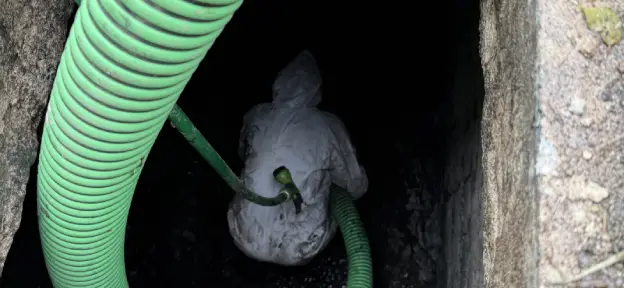
A well-maintained cesspit is an essential part of keeping a property clean, safe and functioning properly. For homeowners and businesses across Bermuda, regular cesspit cleaning is not simply another item on the maintenance checklist. It is an important step in protecting your property, preventing unpleasant sanitation problems and helping your wastewater system operate as it should.
But how often should you clean a cesspit in Bermuda?
The answer depends on several factors, including the size and condition of your cesspit, the number of people using the property, daily water consumption and the volume of wastewater entering the system. While many property owners may not think about their cesspit until a problem arises, a planned maintenance schedule can help identify concerns before they become more disruptive and expensive.
At Bermuda Sanitation & Engineering (BSE), we understand the importance of dependable sanitation and wastewater management across the island. Here is what Bermuda property owners should know about cesspit cleaning, when to arrange a professional assessment and how to recognise the warning signs that your system needs attention.
How Often Should You Clean a Cesspit in Bermuda?
For many residential properties, cesspit maintenance should be considered annually, while pumping frequency should be determined by the system’s condition, capacity and usage.
BSE’s sanitation guidance indicates that cesspit pumping may be needed every one to three years, depending on household size and usage. However, this is a general guide rather than a fixed schedule for every property. Some systems may require more frequent attention, particularly where wastewater volumes are high or the system has a history of blockages or other problems.
For commercial properties, apartment complexes, hotels and other high-occupancy facilities, more frequent maintenance may be appropriate. BSE recommends quarterly maintenance for high-volume properties to help manage wastewater demands and reduce the risk of operational disruption.
It is important to understand that inspection, maintenance, cleaning and pumping are related but different activities. A routine maintenance visit may identify developing problems before a full pump-out is necessary, while a system that is filling rapidly or showing signs of failure may need immediate attention.
The best approach is to establish a maintenance schedule based on your property’s actual requirements rather than relying on a calendar alone.
For professional guidance, explore BSE’s Cesspit Maintenance Services.
What Determines How Frequently a Cesspit Needs Cleaning?
Every property has different wastewater demands. Understanding what affects your cesspit can help you plan appropriate maintenance and recognise when your usual schedule may need adjusting.
1. The Number of People Using the Property
A household with several occupants will generally produce more wastewater than a smaller household. More frequent showers, laundry loads, toilet use and kitchen activities all contribute to the amount entering the system.
If your household has grown, you have welcomed extended family or your property is now occupied more consistently, your existing maintenance schedule may need to be reviewed.
2. The Size and Capacity of the Cesspit
A cesspit must be suitable for the wastewater demands of the property it serves. If the system has limited capacity relative to its use, it may require more frequent servicing or further assessment.
Older systems may also have structural deterioration or other issues that affect their performance. If your cesspit repeatedly fills faster than expected, arranging a professional inspection can help establish whether the issue relates to capacity, condition or another part of the wastewater system.
3. Water Usage and Daily Habits
Excessive or unnecessary water use can place additional demand on a wastewater system. Leaking plumbing fixtures, running toilets and inefficient water use may contribute to higher wastewater volumes over time.
Addressing plumbing leaks and being mindful of water consumption can help manage the load placed on your system. These measures do not replace cesspit maintenance, but they can form part of a sensible property-care routine.
4. The Condition and Age of the System
A properly functioning system may follow a predictable maintenance schedule. A system affected by cracks, damaged components, blockages or other structural concerns may need more frequent attention.
If your cesspit is older or has required repeated repairs, it is worth having its condition assessed rather than continuing to arrange pump-outs without investigating the underlying cause.
Where more extensive work is necessary, BSE provides Cesspit Installation and Rebuilding Services for properties requiring a new or rebuilt system.
Warning Signs That Your Cesspit Needs Attention
You do not always have to wait until your next scheduled maintenance visit to recognise a potential problem. Certain warning signs suggest that your cesspit or connected wastewater system needs professional attention.
Look out for:
- Persistent unpleasant odours: Strong sewage smells around the cesspit or property may indicate a sanitation problem.
- Slow-draining fixtures: Toilets, sinks or other fixtures that drain more slowly than usual may indicate a blockage or drainage issue.
- Repeated wastewater backups: Sewage backing up into a property or appearing in unexpected areas requires prompt attention.
- Unusual wet or saturated ground: Persistent wet patches or wastewater surfacing near the cesspit may indicate a problem that needs investigation.
- More frequent pumping than usual: If your cesspit repeatedly requires servicing sooner than expected, the cause should be assessed.
- Visible damage or signs of deterioration: Cracks, damaged access covers or other structural concerns should be evaluated by a qualified professional.
These symptoms do not always mean the cesspit itself is full. Blocked pipes, damaged drainage lines, structural defects and other problems can produce similar signs.
If you notice sewage backing up, wastewater surfacing or another serious sanitation issue, do not wait for your routine maintenance appointment. Contact a professional to assess the situation. Avoid opening or entering the cesspit yourself, as these environments can contain dangerous gases and present serious safety risks.
BSE provides Cesspit Cleaning and Repair Services to help address cleaning, pumping and repair requirements.
Why Regular Cesspit Maintenance Matters in Bermuda
Regular maintenance helps property owners take a preventative approach to wastewater management instead of waiting for a problem to interrupt daily life.
Reduce the Risk of Backups and Disruption
A system that is not maintained appropriately may develop blockages or experience operational problems. Scheduled inspections and servicing can help identify concerns before they lead to more disruptive sanitation issues.
Identify Problems Before They Become More Expensive
Pumping alone cannot correct every wastewater problem. A damaged structure, defective pipe or recurring blockage may require additional investigation and repairs. Regular assessments can help identify when further work is needed.
Support Property Hygiene and Environmental Protection
Wastewater must be managed responsibly. Leaks, overflows and improper disposal can create sanitation concerns and pose risks to the surrounding environment.
Bermuda’s wastewater infrastructure and environmental conditions make responsible cesspit management an important part of property ownership. The Government of Bermuda outlines requirements and guidance relating to wastewater systems, including cesspit and septic-system design and disposal.
Property owners should ensure that servicing and waste disposal are handled appropriately and that any required repairs or rebuilding work follow applicable Bermuda requirements.
Protect Business Operations
For commercial properties, hospitality businesses, apartment complexes and facilities with high wastewater demand, sanitation problems can affect staff, customers, tenants and normal operations.
A planned maintenance programme makes it easier to monitor system condition, schedule servicing and reduce the likelihood of unexpected disruption.
Cesspit Cleaning, Pumping or Repair: What Does Your Property Need?
Although the terms are sometimes used interchangeably, cleaning, pumping and repair address different needs.
Cesspit pumping removes accumulated wastewater and waste from the system when servicing is required.
Cesspit cleaning and maintenance may include appropriate cleaning, inspections and checks to identify blockages or developing concerns.
Cesspit repair addresses problems affecting the structure or the performance of the system and its connected components.
Cesspit installation or rebuilding may be necessary when a system is unsuitable, significantly deteriorated or no longer capable of functioning reliably.
The correct service depends on the condition of your system. If a cesspit continues to cause problems after pumping, a professional assessment can help determine whether further cleaning, drainage work, repairs or rebuilding is required.
Learn more about BSE’s Sanitation Services in Bermuda, including cesspit cleaning and repair, septic tank pumping, and cesspit installation and rebuilding.
Simple Steps to Help Maintain Your Cesspit
Alongside professional servicing, property owners can take practical steps to support their wastewater system.
- Keep a maintenance record. Note when your cesspit was last inspected, cleaned or pumped and record any recurring issues.
- Monitor changes in performance. Pay attention to slow drainage, unusual odours and changes in how frequently the system needs servicing.
- Address plumbing leaks promptly. Leaking fixtures and running toilets can increase unnecessary water use.
- Avoid putting inappropriate materials down drains. Grease, wipes and other unsuitable items can contribute to blockages in connected pipes.
- Arrange inspections when circumstances change. Increased occupancy, a change in property use or repeated problems may warrant a review of your maintenance schedule.
- Seek professional advice when warning signs appear. Do not rely on repeated pumping alone if the same problem keeps returning.
These measures can help you manage your property more confidently, but they should complement, not replace, appropriate professional maintenance.
Plan Ahead with Bermuda Sanitation & Engineering
Whether you own a family home, manage a rental property or oversee a busy commercial facility, knowing when to service your cesspit is an important part of responsible property maintenance.
For many households, annual maintenance is a sensible starting point, while pumping may be required every one to three years depending on use and system condition. Higher-volume properties may need quarterly maintenance, and any signs of a developing problem should be assessed promptly.
The most reliable schedule is one tailored to your property, its wastewater demands and the condition of the system.
Bermuda Sanitation & Engineering provides sanitation and wastewater services across Bermuda, helping residential and commercial property owners address cesspit cleaning, pumping, maintenance, repairs and rebuilding requirements.
Do not wait for a backup or overflow to make cesspit maintenance a priority. A planned approach can help you identify problems earlier, manage servicing requirements and protect the long-term performance of your wastewater system.
To discuss your cesspit maintenance needs, visit BSE’s Cesspit Maintenance page or explore Cesspit Cleaning and Repair.
For enquiries, contact Bermuda Sanitation & Engineering on (441) 293-4357
Bermuda Sanitation & Engineering, supporting dependable sanitation and wastewater management across Bermuda.