
Bermuda’s natural beauty is one of the island’s greatest treasures. From its pink-sand beaches and turquoise waters to its thriving communities, protecting the environment is a shared responsibility that begins with everyday choices.
Recycling is one practical way residents, businesses and organisations can help reduce waste and make better use of valuable materials. Yet knowing what can be recycled, how items should be prepared and where different types of waste belong is just as important as the decision to recycle in the first place.
For households, restaurants, offices, hotels and construction sites across Bermuda, responsible waste management involves more than putting items into a recycling bag. It also means reducing unnecessary waste, separating materials correctly, handling special waste safely and ensuring that sanitation systems remain properly maintained.
At Bermuda Sanitation & Engineering (BSE), we understand the importance of maintaining clean, healthy environments through responsible sanitation and dependable infrastructure services. Here is what you need to know about recycling in Bermuda and the practical steps you can take to make a difference.
What Can You Recycle in Bermuda?
Bermuda operates a TAG recycling system for three main household materials: tin cans, aluminium cans and glass bottles. These materials are collected through the island’s designated recycling arrangements.
According to the Government of Bermuda’s recycling guidance, household TAG recycling is collected curbside every other week, with collection arrangements varying by location. Residents should check the official collection schedule to confirm their collection day and how materials should be presented.
Tin and Aluminium Cans
Metal cans can be recycled rather than discarded with general household rubbish. Before putting them out, make sure they are empty and follow the preparation instructions provided by the Government.
Keeping recyclable cans separate from general waste helps ensure they can enter the appropriate collection and processing stream.
Glass Bottles
Glass bottles are also accepted through Bermuda’s TAG recycling system. Store them safely and follow the current collection guidelines to avoid breakages and make handling easier.
Not every glass item necessarily belongs in the household TAG stream. If you are unsure about drinking glasses, ceramics, mirrors or other glass products, check the Government’s official What Goes Where? guidance before disposal.
Electronics and Other Recyclable Materials
Some materials require a different approach.
The Government provides arrangements for electronic waste, household batteries, fluorescent lighting, vehicle batteries, used motor oil and other special waste. Accepted items and drop-off locations vary, so these materials should not automatically be placed in regular recycling bags.
For the latest information, visit the Government of Bermuda’s Solid Waste Management resources.
How to Recycle Correctly
Recycling works best when materials are separated and prepared according to the requirements of the collection programme. Incorrect items can contaminate recyclable materials and make processing more difficult.
A few straightforward habits can help households and businesses get it right.
1. Separate recyclable materials. Keep accepted tin cans, aluminium cans and glass bottles apart from general rubbish and other materials that are not accepted in the TAG system.
2. Empty containers before recycling. Remove leftover food, liquids and other contents in accordance with the official preparation guidance. Clean, properly prepared materials are easier to handle.
3. Follow collection instructions. Use the approved bags or containers and put recycling out on the correct collection day. Requirements can differ between collection areas.
4. Keep recyclables dry and secure where practical. Protecting materials from unnecessary contamination and preventing them from scattering helps keep collection areas tidy.
5. Check before disposing of unfamiliar items. Batteries, electrical equipment, fluorescent bulbs, chemicals and other special waste may need designated drop-off arrangements.
When in doubt, consult the Government’s recycling and waste guidance rather than assuming an item belongs in the recycling stream.
Where Does Bermuda’s Recycled Waste Go?
Recycling involves more than collection. Materials must also be sorted, processed and directed towards appropriate destinations.
The Government of Bermuda explains that household rubbish is sent to the Tynes Bay Waste-to-Energy Facility, while recyclables are taken to the Material Recovery Facility for processing and may be shipped overseas or used on the island.
For example, tin and aluminium collected through the TAG programme are shipped to the United States, where the metals are melted down and used to manufacture new packaging or consumer goods.
This process demonstrates why correct sorting matters. Recycling is not simply about moving rubbish from one place to another; it is about recovering suitable materials so they can be put to further use.
It also highlights an important point: recycling is only one part of responsible waste management. Reducing consumption, reusing suitable items and disposing of non-recyclable materials correctly remain equally important.
Reduce and Reuse Before You Recycle
Although recycling helps recover useful materials, reducing waste at the source can prevent unnecessary rubbish from being created in the first place.
Households can start by choosing reusable shopping bags, water bottles and food containers where practical. Buying only what is needed, planning meals and using products for longer can also help reduce the amount of waste generated.
Businesses can take similar steps by reviewing purchasing habits, reducing unnecessary packaging and encouraging staff to use reusable items where appropriate.
Restaurants and hospitality businesses may also review food purchasing and storage practices to minimise avoidable food waste. Where suitable facilities and approved arrangements are available, composting can provide another way to manage certain organic materials.
The Government of Bermuda provides information on compostable materials and the Marsh Folly Composting Facility through its official waste management resources.
The principle is straightforward: use fewer resources where possible, extend the useful life of items and recycle accepted materials correctly.
Responsible Waste Management for Bermuda Businesses
For commercial properties, responsible waste management requires planning, clear procedures and staff awareness.
Restaurants, hotels, offices, retail premises and construction sites can generate different types of waste, depending on their activities. A suitable plan should identify what is produced, which materials can be recycled, how waste will be stored and which disposal arrangements apply.
Businesses should consider the following steps:
- Establish clear sorting procedures. Label bins and explain which materials belong in each container.
- Train staff. Make sure employees understand the difference between recyclable materials, general rubbish and special waste.
- Keep waste storage areas organised. Prevent overflowing bins, scattered rubbish and avoidable contamination.
- Arrange suitable disposal. Confirm the correct destination for commercial recyclables, bulky items, construction waste and special waste.
- Review waste generation regularly. Identify opportunities to reduce packaging, reuse materials and improve separation.
Commercial waste requirements may differ from household arrangements. Businesses should therefore consult the relevant Government guidance before arranging disposal, particularly for larger loads, construction materials or potentially hazardous items.
A well-organised approach can help businesses maintain cleaner premises, improve daily operations and demonstrate a practical commitment to environmental responsibility.
Recycling Is Important, but So Is Proper Sanitation
A clean environment depends on more than recycling alone. Wastewater, drainage, water storage and sanitation systems must also be managed responsibly to help protect property, public health and the surrounding environment.
For example, disposing of cooking oil, fats or grease down a sink can contribute to blockages in drainage pipes. These materials should be collected and disposed of through appropriate arrangements rather than washed into the plumbing system.
Similarly, household chemicals, batteries and other special waste should never be discarded without checking the recommended disposal method. Incorrect disposal can create risks for people, infrastructure and the environment.
Businesses and property owners should also keep drainage and sanitation systems in good working order. Blocked drains, damaged wastewater infrastructure and neglected sanitation equipment can lead to avoidable disruption and costly repairs.
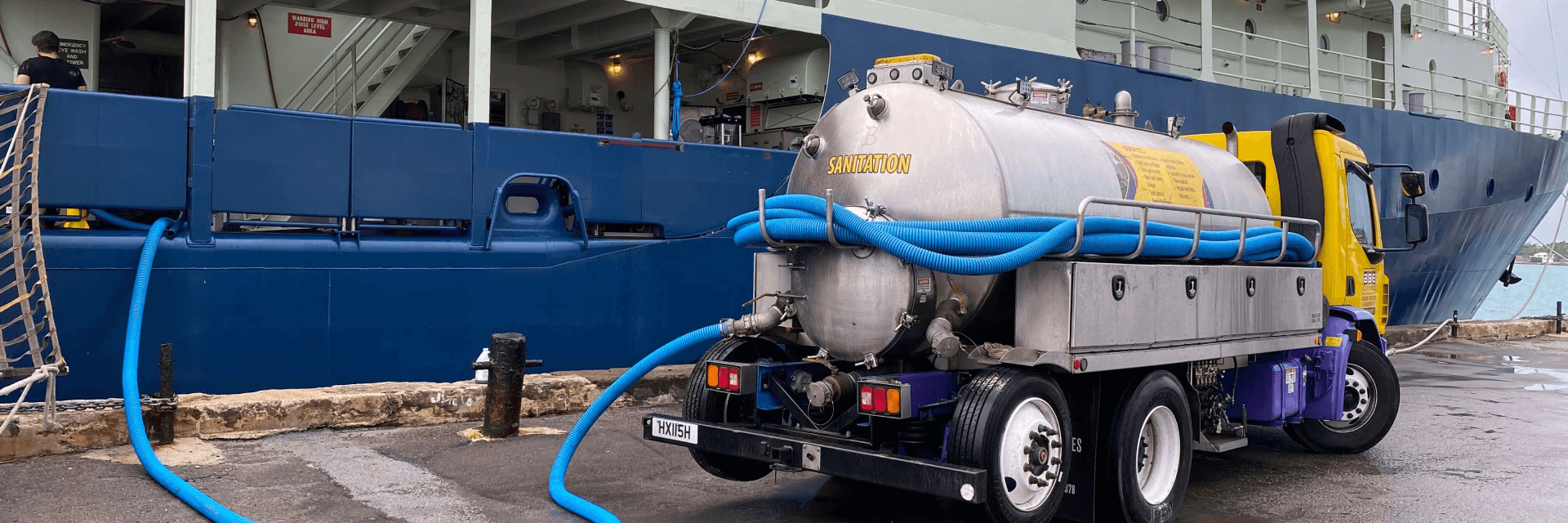
Bermuda Sanitation & Engineering supports property owners and businesses through a range of sanitation and plumbing services, including:
- Sanitation Services for cesspit, septic and related wastewater requirements.
- Drain Clearing Services to address drainage blockages and support proper pipe flow.
- Water Tank Maintenance to help maintain water storage systems.
- Portable Toilet Rentals for events, construction sites and commercial projects.
These services address different aspects of property sanitation and infrastructure. They do not replace the Government’s designated recycling programme, but they form part of the wider effort to maintain clean, functional and well-managed properties across Bermuda.
What About Batteries, Electronics and Special Waste?
Some items should never be treated as ordinary household recyclables.
Batteries, electronic equipment, fluorescent tubes, compact fluorescent light bulbs, motor oil and certain chemicals may require designated collection points or special disposal arrangements.
The Government’s public drop-off facilities and other approved programmes provide options for particular categories of waste. However, acceptance rules, operating arrangements and quantities can vary by facility and material.
Before taking an item to a disposal site, check the current Government public drop-off guidance or the wider Solid Waste Management website.
Never pour chemicals, used oil or other unsuitable substances into drains or onto the ground. Keep potentially hazardous materials secure and follow the relevant handling and disposal instructions.
Taking a few moments to check the correct procedure can prevent avoidable problems and ensure that materials reach an appropriate facility.
Building a Cleaner Bermuda Starts with Everyday Choices
Recycling is most effective when it becomes part of everyday life rather than an occasional effort. Whether you manage a household, run a business or oversee a commercial property, small improvements in waste separation, purchasing habits and disposal practices can make a meaningful contribution.
Know what Bermuda’s TAG programme accepts. Follow your collection schedule. Keep special waste out of ordinary recycling bags. Reduce unnecessary consumption and reuse suitable items whenever possible. For commercial premises, establish clear procedures so everyone understands their role.
And remember that responsible waste management extends beyond what goes into the bin. Proper drainage, wastewater handling and sanitation maintenance also contribute to cleaner, healthier surroundings.
At Bermuda Sanitation & Engineering, we recognise the importance of dependable sanitation infrastructure in supporting homes, businesses and communities across the island.
A cleaner Bermuda begins with informed decisions, responsible habits and a shared commitment to protecting the place we call home.
For information about BSE’s sanitation and plumbing services, visit bse.bm or call (441) 293-4357.